

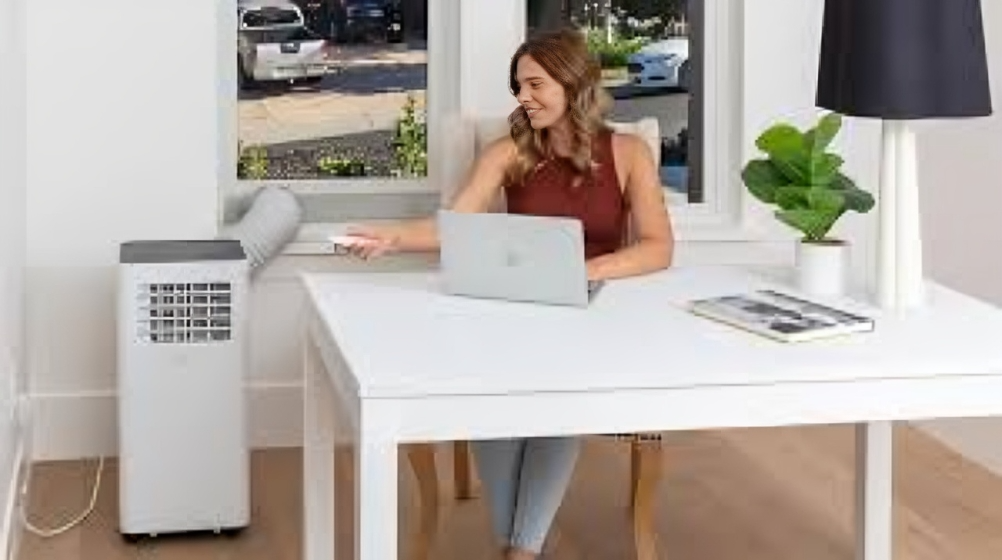
Portable air conditioners offer a flexible solution for beating the heat without the hassle of permanent installations. These compact units deliver targeted cooling to any room, making them ideal for apartments, offices, or homes where central air conditioning is impractical. As summers grow hotter, more people turn to a portable air conditioner for quick relief. They combine convenience with effective performance, allowing you to stay comfortable wherever you need it most. This guide explores everything from their inner workings to smart buying tips, helping you make an informed choice for reliable home cooling.
Understanding Portable Air Conditioners
A portable air conditioner is a self-contained cooling system mounted on wheels for easy movement between spaces. Unlike fixed window or split units, it requires no major renovations and can be set up in minutes using a simple exhaust hose. These devices pull in warm air, cool it through an internal refrigeration cycle, and release the heat outdoors via the hose. They suit renters, small spaces, and temporary needs perfectly. With various sizes available, a portable air conditioner adapts to bedrooms, living rooms, or even home offices without disrupting your lifestyle.
The Working Mechanism of Portable Air Conditioners
Inside every portable air conditioner, a compressor, condenser, and evaporator work together to remove heat and humidity. The unit draws room air over cold coils, where refrigerant absorbs warmth before releasing it outside through the exhaust. A fan then circulates the newly cooled air back into the room. Single-hose models pull in outside air to cool the compressor, while dual-hose versions improve efficiency by separating intake and exhaust flows. This clever design ensures consistent performance, though proper venting remains essential for maximum cooling power in any portable air conditioner.
Different Types Available in the Market
Portable air conditioners come in several varieties to match specific needs and budgets. Single-hose models offer simplicity and affordability for small rooms up to 300 square feet. Dual-hose versions provide superior efficiency for larger areas by preventing negative pressure buildup. Evaporative coolers, a related type, use water to cool air in dry climates without hoses. Hybrid units combine air conditioning with dehumidification for versatile use. Choosing the right type depends on your climate, room size, and desired features, ensuring your portable air conditioner delivers optimal results year after year.
Key Benefits of Portable Air Conditioners
The biggest advantage of a portable air conditioner lies in its mobility and ease of use. You can wheel it to any room instantly, perfect for seasonal or multi-space cooling without expensive ductwork. These units also remove excess humidity, improving indoor air quality and comfort during muggy weather. Energy-wise, many modern models include smart features like timers and thermostats that help reduce electricity bills compared to running larger systems. Their quiet operation and compact design make a portable air conditioner an excellent choice for bedrooms or shared living areas where uninterrupted sleep matters most.
Addressing Common Concerns and Drawbacks
While versatile, a portable air conditioner has limitations worth considering before purchase. The exhaust hose can limit placement near windows, and noise levels may exceed those of quieter split systems. Cooling capacity drops in very large or poorly insulated rooms, requiring careful sizing. Some models consume more power than central units, raising operating costs during peak heat. However, proper maintenance and strategic use minimize these issues. Understanding these trade-offs helps you decide if a portable air conditioner fits your lifestyle better than traditional alternatives.
Tips for Selecting the Right Portable Air Conditioner
Start by measuring your room’s square footage and matching it to the unit’s BTU rating—typically 8,000 to 14,000 for most homes. Look for features like programmable timers, remote controls, and washable filters for added convenience. Energy Star certification ensures lower electricity use over time. Check hose length and window kit compatibility to avoid installation frustrations. Reading recent user reviews reveals real-world performance on noise and reliability. Investing time in research guarantees you select a portable air conditioner that cools effectively while matching your budget and space requirements.
Proper Maintenance for Optimal Performance
Regular care extends the life of your portable air conditioner significantly. Clean or replace filters monthly to maintain airflow and efficiency. Empty the condensate tank or connect a drain hose in humid climates to prevent overflow. Inspect the exhaust hose for leaks and ensure the window seal remains tight. Wipe exterior surfaces and coils annually to remove dust buildup. Following the manufacturer’s schedule prevents breakdowns and sustains cooling power. With consistent attention, a well-maintained portable air conditioner continues delivering reliable comfort season after season without unexpected repairs.
FAQs
How do I know what size portable air conditioner I need?
Calculate your room’s square footage and add 20 percent for sunny or high-ceiling spaces. A 10,000 BTU unit typically cools 300 to 450 square feet effectively. Consider ceiling height, insulation, and heat sources like windows or electronics for accurate sizing.
Can a portable air conditioner cool an entire house?
No, these units are designed for single-room use. Moving one unit between spaces works for small homes, but larger properties benefit from multiple units or central systems. For whole-house cooling, professional central air remains more efficient.
Are portable air conditioners energy efficient?
Modern models with inverter technology and Energy Star ratings consume far less power than older units. Smart features like sleep modes further reduce costs. While they use more electricity than window units, convenience and targeted cooling often justify the expense for occasional use.
What’s the difference between single-hose and dual-hose portable air conditioners?
Single-hose models exhaust air through one tube, which can pull in warm outside air and slightly reduce efficiency. Dual-hose versions separate intake and exhaust, maintaining better pressure and faster cooling. Dual-hose units perform best in hot climates.
How noisy is a typical portable air conditioner?
Most operate between 50 and 60 decibels, similar to a quiet conversation. Newer inverter models run noticeably quieter than older compressors. Placing the unit away from sleeping areas and using night modes minimizes disturbance effectively.
Conclusion
A portable air conditioner delivers flexible, effective cooling exactly where you need it without complicated installations or high upfront costs. From understanding their mechanics to choosing the right model and maintaining it properly, these units provide practical relief during hot weather. Weighing benefits against limitations ensures you select the perfect fit for your space and lifestyle. With smart features and proper care, your portable air conditioner becomes a reliable companion for years of comfortable living. Stay cool and enjoy the freedom these versatile appliances bring to any home.







Leave a Reply