

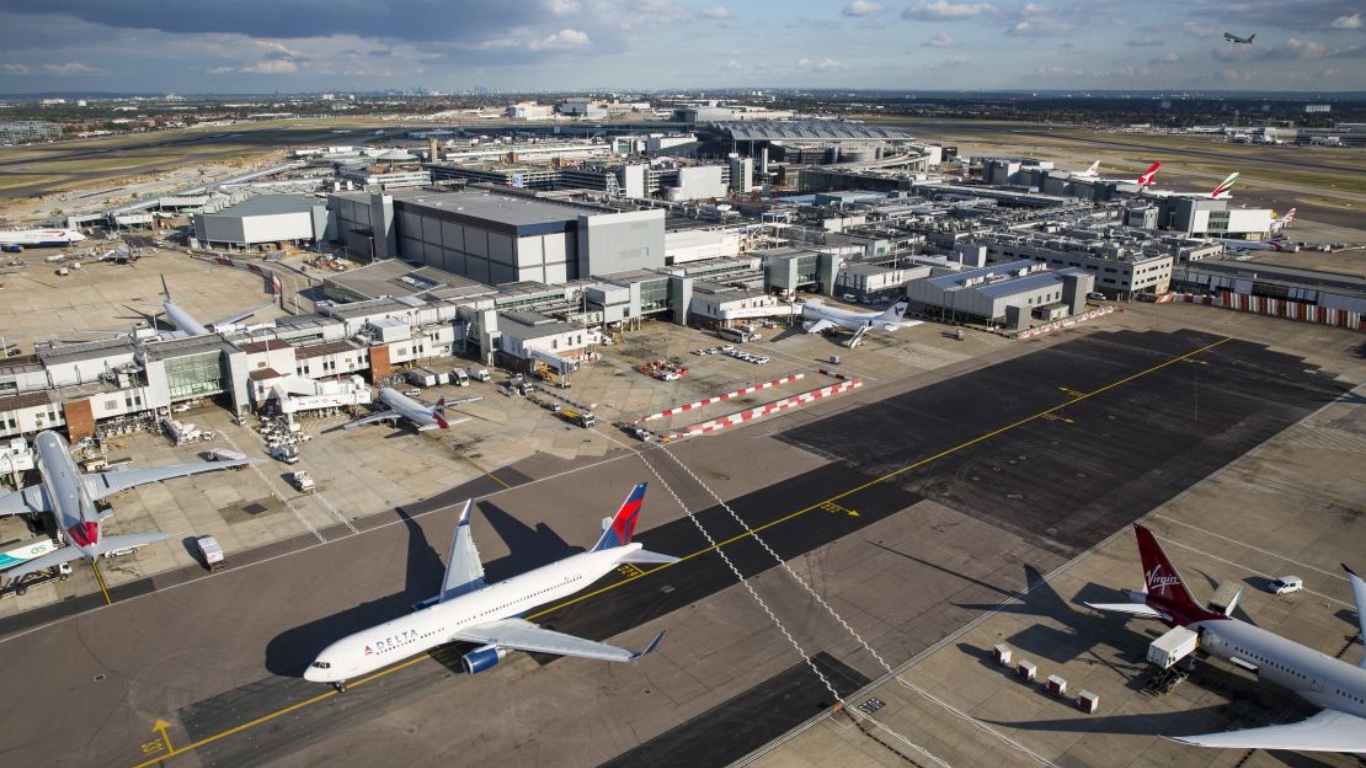
London Heathrow Airport serves as the United Kingdom’s largest and busiest international gateway, welcoming millions of passengers annually while connecting Britain to the world. Situated just 14 miles west of central London, it functions as a vital economic engine and travel hub for both leisure and business journeys. With record passenger numbers exceeding 84 million in 2025, London Heathrow Airport continues to set benchmarks for efficiency and service quality. Its modern infrastructure, extensive route network, and passenger-focused amenities make it far more than a transit point—it is a destination in itself that reflects the dynamism of global aviation. Whether you are a first-time visitor or a frequent flyer, understanding its operations enhances every journey through this iconic facility.
The Rich History and Evolution of London Heathrow Airport
London Heathrow Airport traces its roots to a small private airfield established in the 1930s, later repurposed for military use during World War II before opening for commercial flights in 1946. What began as a modest operation with basic facilities has transformed through decades of strategic expansion into one of Europe’s most significant airports. New terminals, advanced runways, and technological upgrades have kept pace with surging demand, culminating in its current status as the UK’s primary hub. This remarkable journey underscores a consistent focus on innovation, safety, and passenger experience that defines London Heathrow Airport today. Its growth mirrors broader advancements in international travel and economic connectivity.
Strategic Location and Effortless Connectivity Options
Positioned in the London Borough of Hillingdon, London Heathrow Airport offers unmatched access to the capital and beyond. Travelers can reach central London in as little as 15 minutes via the high-speed Heathrow Express or enjoy affordable, scenic rides on the Elizabeth Line and Piccadilly Underground services. Extensive bus and coach networks extend to other UK cities, while major motorways like the M4 and M25 provide seamless road links for taxis, private hires, or self-drive options. This comprehensive transport ecosystem ensures that arriving or departing passengers experience minimal hassle. The airport’s location perfectly balances proximity to London with space for large-scale operations.
Navigating the Four Modern Terminals
London Heathrow Airport operates four passenger terminals—numbered 2, 3, 4, and 5—each equipped with state-of-the-art design and services tailored to different needs. Terminal 5 primarily serves as the home for British Airways, featuring spacious lounges and premium check-in areas, while Terminals 2 and 3 accommodate a broad mix of international carriers with easy walking connections between them. Terminal 4 provides additional capacity and links via free shuttle trains or buses to the others. Clear signage, efficient layouts, and inter-terminal transport help passengers move smoothly. These terminals collectively deliver a cohesive, high-quality experience that prioritizes comfort and convenience for every traveler.
Major Airlines and Worldwide Destinations from London Heathrow Airport
As the principal hub for British Airways and Virgin Atlantic, London Heathrow Airport supports flights from more than 80 airlines to over 200 destinations across 80 countries. Popular long-haul routes include frequent services to New York, Dubai, Singapore, and Hong Kong, alongside extensive European and domestic connections. This vast network facilitates seamless transfers and direct access to key global markets, making the airport indispensable for international business and tourism. Airlines benefit from its strategic position, while passengers enjoy reliable schedules and competitive options. The diversity of routes reinforces London Heathrow Airport’s role as a true global connector.
Exceptional Facilities and Passenger Amenities
Passengers at London Heathrow Airport enjoy world-class facilities including diverse dining outlets, extensive duty-free shopping, and comfortable lounges throughout the terminals. Free high-speed Wi-Fi, plentiful charging stations, family play areas, and accessible services cater to all ages and travel styles. Additional conveniences such as currency exchange, baggage storage, showers, and quiet workspaces ensure a stress-free environment. The airport continuously invests in upgrades to enhance the overall experience, from quick-service eateries to luxury retail. These thoughtful amenities transform waiting time into an enjoyable part of the journey.
Security, Practical Tips, and a Sustainable Future
Effective travel through London Heathrow Airport begins with preparation: arrive early, use the official app for real-time updates, and familiarize yourself with streamlined security processes featuring new lanes for faster flow. Practical advice includes packing liquids correctly and checking airline-specific requirements to avoid delays. Looking forward, the airport pursues ambitious sustainability goals, targeting net-zero carbon emissions by 2050 through reductions in ground and air operations. Potential expansion plans, including runway developments, aim to balance growth with environmental responsibility. These initiatives ensure London Heathrow Airport remains efficient, safe, and forward-thinking for generations to come.
FAQs
How do I travel from London Heathrow Airport to central London?
Several efficient options exist, including the non-stop Heathrow Express train, which reaches Paddington in just 15 minutes, or the affordable Elizabeth Line for direct links to central stations. The Piccadilly Underground line provides budget-friendly access with multiple stops, while buses and coaches serve a wider range of destinations. Taxis and ride-sharing services are readily available outside the terminals for door-to-door convenience. Pre-booking or using contactless payment simplifies the process further.
Which airlines operate from which terminals at London Heathrow Airport?
British Airways primarily uses Terminal 5, with some flights from Terminal 3. Most Star Alliance carriers operate from Terminal 2, while Terminal 4 handles select international airlines including some long-haul operators. Terminals 2 and 3 are conveniently connected on foot, and free shuttles link the others. Always confirm your terminal via your boarding pass or the airport website before travel to ensure smooth navigation.
Are there family-friendly facilities at London Heathrow Airport?
Yes, the airport offers dedicated children’s play areas, baby-changing facilities, and family lounges across all terminals. Diverse dining choices include kid-friendly options, and staff are trained to assist traveling families. Free Wi-Fi and charging points keep everyone entertained, while spacious layouts reduce stress during connections or layovers.
What sustainability efforts is London Heathrow Airport undertaking?
The airport targets net-zero carbon by 2050 with specific 2030 goals to cut emissions both on the ground and in the air. Initiatives include improved energy efficiency, sustainable aviation fuel promotion, and community air-quality programs. Ongoing investments support greener operations while maintaining high service standards.
Conclusion
London Heathrow Airport remains an outstanding example of modern aviation excellence, blending rich history with cutting-edge facilities and a forward-looking approach to sustainability. Its strategic location, four efficient terminals, extensive global routes, and passenger-centric amenities deliver a seamless experience for millions each year. From record-breaking passenger volumes to continuous infrastructure improvements, the airport consistently evolves to meet traveler demands. Whether departing on an adventure or arriving in the UK, London Heathrow Airport sets the standard for quality and connectivity. As it prepares for future growth, this iconic hub will continue shaping journeys and strengthening Britain’s place in the world of travel.














Leave a Reply