

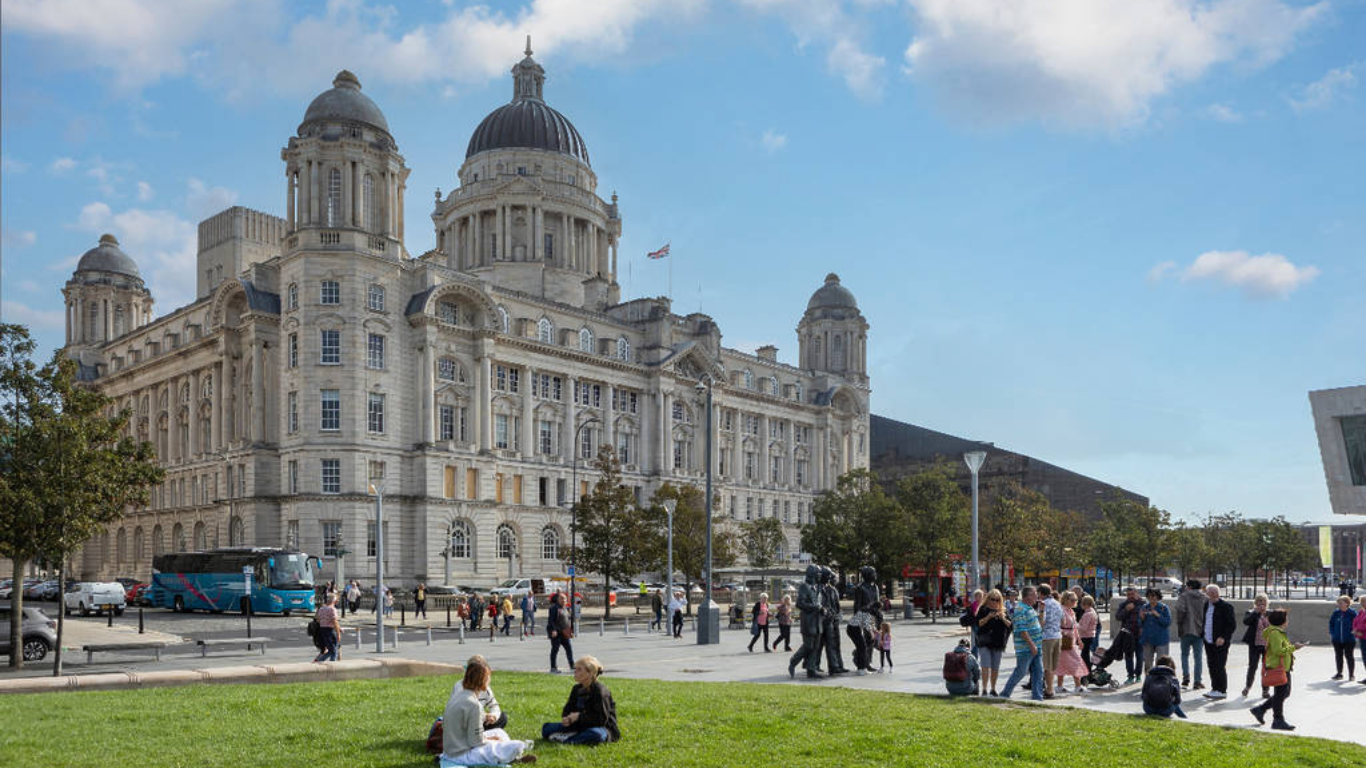
Liverpool weather reflects the city’s position on the northwest coast of England, where a temperate maritime climate delivers mild conditions year-round with no extreme heat or bitter cold. Influenced by the Atlantic Ocean and Irish Sea, this oceanic pattern brings consistent cloud cover, gentle breezes, and rainfall that keeps the landscape green and vibrant. Residents and tourists alike appreciate how the Liverpool weather supports outdoor exploration most of the year, though it rewards those who plan ahead with versatile clothing. Whether you are drawn to the waterfront or cultural festivals, understanding these patterns enhances every visit to this dynamic city.
Overview of Liverpool’s Climate
Liverpool maintains an oceanic climate classified as Cfb, featuring cool winters, mild summers, and precipitation spread evenly across the months. The coastal location moderates temperatures, preventing the sharp swings common in inland areas and creating a comfortable environment for daily life. Frequent overcast skies and light winds define the Liverpool weather, contributing to its reputation for changeable yet rarely severe conditions. This setup nurtures parks and gardens while encouraging indoor attractions during wetter spells. Overall, the climate fosters a resilient urban atmosphere where locals embrace variability as part of the city’s charm.
Temperature Patterns in Liverpool Weather
Temperatures in Liverpool stay remarkably stable thanks to maritime influences, with annual averages around 10 degrees Celsius. Winter highs in January reach about 7 to 8 degrees Celsius, while lows hover near 2 to 3 degrees, making frost possible but snow infrequent. Summer peaks in July with highs near 19 degrees and lows around 13 degrees, offering pleasant warmth without discomfort. These subtle shifts mean the Liverpool weather suits year-round activity, from brisk waterfront walks in cooler months to relaxed park visits in summer. Daily forecasts help visitors layer clothing effectively for the gentle seasonal transitions.
Rainfall and Precipitation Patterns
Rainfall shapes much of the Liverpool weather experience, with annual totals between 900 and 1100 millimeters distributed fairly evenly. Autumn and winter months see slightly higher amounts, often 100 to 120 millimeters, while spring brings drier spells around 50 to 75 millimeters. Expect 14 to 19 wet days monthly, though heavy storms remain uncommon. This steady pattern keeps the city lush and supports its green spaces, yet it calls for practical preparation like waterproof jackets. Embracing the rain as a natural feature allows full enjoyment of the Liverpool weather without disruption to plans.
Spring and Summer in Liverpool Weather
Spring warms gradually in Liverpool, with March averages near 7 degrees Celsius climbing to 12 degrees by May amid longer daylight hours and blooming greenery. Summer delivers the mildest conditions, peaking in July and August at 16 to 17 degrees overall with highs up to 19 degrees. Fewer intense rainy periods occur during these months, making them ideal for festivals, beach trips to nearby areas, and city strolls. The Liverpool weather in this period balances comfort and occasional showers, encouraging visitors to explore the waterfront and historic sites under mostly favorable skies.
Autumn and Winter Weather Patterns
Autumn cools steadily from September averages of 14 degrees to November near 8 degrees, with rising rainfall adding atmospheric depth to the season. Winter remains mild, with January overall temperatures around 5 degrees and short daylight hours offset by cozy indoor options. Snow is rare due to the coastal influence, though winds can sharpen the chill. The Liverpool weather during these months creates a distinctive mood perfect for museums, theaters, and festive markets. Layered outfits and reliable rain protection ensure comfortable navigation through the damper, shorter days.
Best Time to Visit and Practical Tips for Liverpool Weather
The optimal window for Liverpool weather spans May to September, when milder temperatures and longer days minimize disruptions from rain while maximizing outdoor opportunities. This timeframe aligns with peak events and comfortable conditions for sightseeing. For any visit, check reliable forecasts daily since conditions shift quickly. Pack versatile layers, a sturdy umbrella, and waterproof shoes to handle variability effortlessly. Locals often note that the Liverpool weather adds authenticity to the experience, turning even light showers into memorable moments. Planning with these insights ensures an enjoyable stay regardless of the season.
FAQs
What is the typical temperature range in Liverpool throughout the year?
Liverpool experiences mild temperatures year-round due to its oceanic climate, with annual averages near 10 degrees Celsius. Winters bring January highs of 7 to 8 degrees and lows around 2 to 3 degrees, while summers peak in July with highs near 19 degrees and lows of 13 degrees. These gentle variations mean frost occurs occasionally but extremes like heatwaves or deep freezes are rare. Understanding this range helps travelers select appropriate clothing and activities, making the Liverpool weather predictable enough for confident planning across all seasons.
How much rainfall should I expect when visiting Liverpool?
Expect steady rainfall in Liverpool weather, totaling 900 to 1100 millimeters annually across 150 to 180 wet days. Monthly amounts average 70 to 120 millimeters, with slightly wetter autumn and winter periods and drier spring months. Showers are usually light and interspersed with dry intervals, rarely disrupting plans for long. This pattern supports the city’s green environment but rewards visitors who carry compact rain gear. Monitoring weekly forecasts allows smart scheduling of outdoor time, ensuring the Liverpool weather enhances rather than hinders exploration of attractions and events.
When is the best time to visit Liverpool based on its weather?
Late spring through early autumn offers the most favorable Liverpool weather for most travelers, with May to September delivering milder temperatures, longer daylight, and relatively fewer heavy rain days. This period supports comfortable walking tours, festivals, and waterfront activities without excessive chill or heat. Shoulder months like May and September often provide good value with fewer crowds. While winter has its cozy appeal for indoor-focused trips, the warmer seasons maximize outdoor enjoyment. Checking current trends refines timing to match personal preferences for the Liverpool weather experience.
What clothing and preparation work best for Liverpool weather?
Versatile layering proves essential for Liverpool weather, combining breathable base layers with waterproof outer jackets and sturdy shoes. An umbrella or lightweight raincoat handles frequent showers effectively across seasons. In winter, add scarves and gloves for breezy days, while summer calls for light jackets for cooler evenings. Accessories like quick-dry fabrics and packable extras keep bags manageable. Locals recommend checking apps for hourly updates to adjust on the go. With thoughtful preparation, the Liverpool weather becomes an asset, allowing seamless enjoyment of the city’s vibrant streets and attractions in any condition.
Conclusion
Liverpool weather offers a balanced maritime climate of mild temperatures and even rainfall that defines the city’s livable charm and visitor appeal. From stable seasonal patterns to practical tips for every visit, understanding these elements empowers informed travel and daily routines alike. The consistent yet changeable conditions highlight why the city thrives with both indoor cultural gems and outdoor green spaces. Embracing the Liverpool weather as an integral part of the experience enriches every moment, whether for a short break or extended stay. Ultimately, this climate contributes to Liverpool’s resilient, welcoming identity that continues to draw people from around the world.










Leave a Reply