

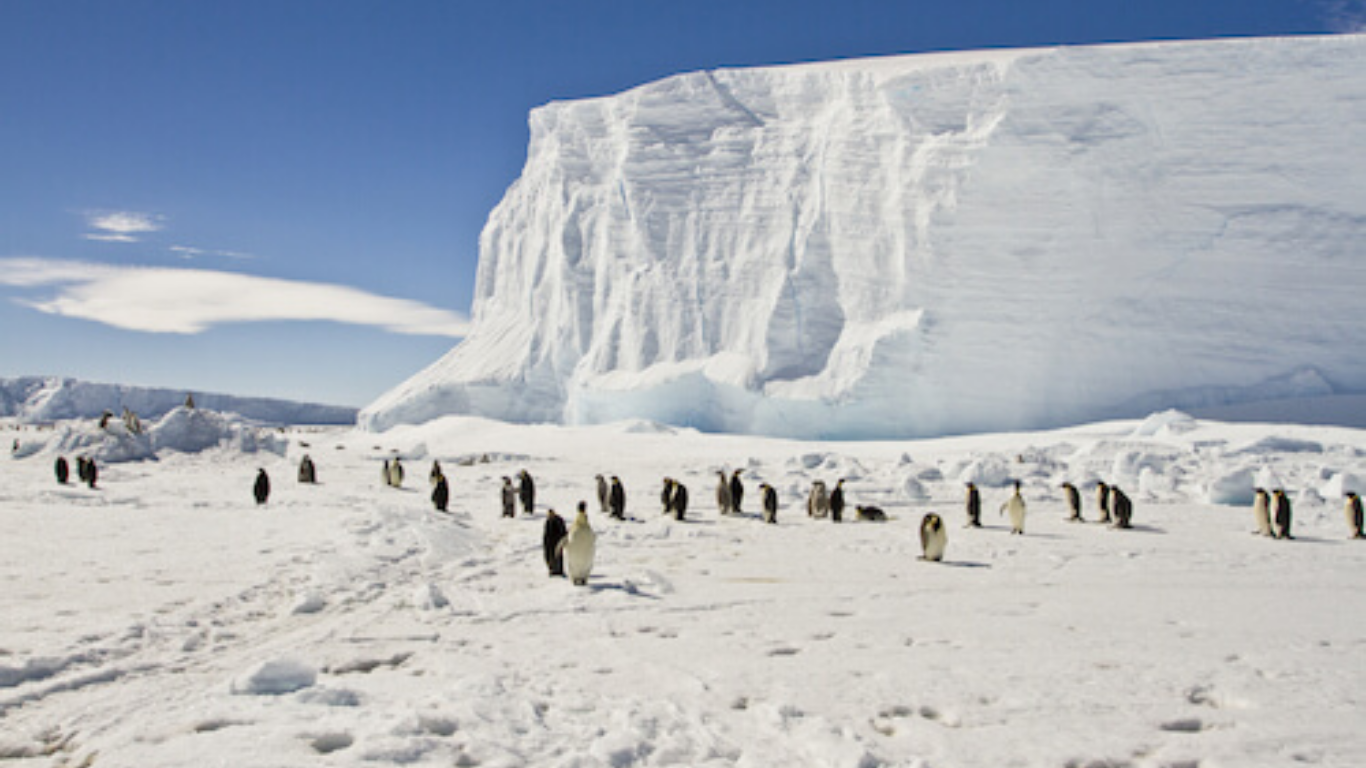
Antarctica stands as Earth’s southernmost and most enigmatic continent, drawing curious minds with its extreme environment and scientific significance. Spanning roughly 14 million square kilometers, it remains the only landmass without a native human population or permanent residents. These facts about Antarctica reveal a place of striking contrasts: a massive ice-covered desert that influences global weather patterns and sea levels. For general knowledge seekers, understanding its geography, wildlife, and role in climate science highlights why this remote region matters to everyone on the planet. Its pristine conditions continue to fuel research that shapes our view of Earth’s past and future.
Geography and Physical Features
Antarctica’s vast terrain includes the world’s thickest ice sheet, covering 98 percent of the continent to an average depth of 1.9 kilometers. Beneath this frozen blanket lie hidden mountain ranges, subglacial lakes, and even active volcanoes such as Mount Erebus. The continent holds about 70 percent of the planet’s fresh water locked in ice, making it a critical reservoir for global hydrology. Its isolated location at the South Pole creates unique geological features studied by scientists worldwide. These physical facts about Antarctica underscore its importance as a natural archive of Earth’s history spanning millions of years.
Extreme Climate Conditions
Temperatures in Antarctica regularly plunge below minus 50 degrees Celsius, with the record low reaching minus 89.2 degrees Celsius at Vostok Station. Fierce katabatic winds can exceed 300 kilometers per hour, turning the region into the windiest place on Earth. Despite its icy appearance, it qualifies as the world’s largest desert because annual precipitation in some areas falls below 50 millimeters. These harsh facts about Antarctica create an environment where only specially adapted life and technology can survive. Such extremes provide essential data for understanding atmospheric processes and predicting broader climate shifts.
Incredible Wildlife Adaptations
Antarctica supports a surprising array of marine life despite its forbidding conditions. Emperor penguins, the largest species, endure the coldest winters by huddling together for warmth while raising chicks on sea ice. Seals, whales, and millions of seabirds thrive in the nutrient-rich Southern Ocean, sustained by vast swarms of krill. No native land mammals or reptiles exist here, as the ecosystem revolves entirely around the ocean. These wildlife facts about Antarctica demonstrate remarkable evolutionary adaptations that highlight the delicate balance of polar food chains.
History of Human Exploration
Explorers first sighted Antarctica in 1820, sparking a race to reach the South Pole that culminated with Roald Amundsen’s success in 1911. Early expeditions faced unimaginable hardships, including Ernest Shackleton’s legendary Endurance voyage that tested human endurance to its limits. These historic journeys mapped uncharted territory and laid the groundwork for modern scientific stations. The legacy of exploration remains visible in preserved huts and commemorative sites across the continent. Such historical facts about Antarctica illustrate humanity’s persistent drive to conquer the unknown.
Scientific Research and International Cooperation
Today, over 50 countries operate research stations in Antarctica under the Antarctic Treaty, which promotes peaceful scientific collaboration and bans military activity. Studies here examine everything from ancient ice cores revealing past climates to astrophysics at the South Pole. Subglacial lakes like Vostok offer glimpses into microbial life isolated for hundreds of thousands of years. This international framework ensures the continent remains a shared resource for humanity’s benefit. These research facts about Antarctica position it as a global hub for discoveries that advance medicine, environmental science, and space exploration.
Environmental Significance and Challenges
Antarctica plays a pivotal role in regulating Earth’s climate by reflecting sunlight and storing vast carbon reserves in its ice. Rapid ice shelf melting and glacier retreat signal accelerating climate change, with potential consequences for global sea levels. The ozone hole discovered over the continent in the 1980s led to successful international agreements that continue to show results. Protecting this fragile ecosystem remains essential for planetary health. Current environmental facts about Antarctica serve as a warning and a call to action for sustainable practices worldwide.
FAQs
What is the coldest temperature ever recorded in Antarctica?
The lowest temperature officially recorded stands at minus 89.2 degrees Celsius at Russia’s Vostok Station in 1983. Such extremes result from the continent’s high elevation, clear skies, and polar location that allows heat to escape rapidly into space. Scientists use these measurements to calibrate climate models and study atmospheric behavior under the most severe conditions possible on Earth. This record underscores Antarctica’s value as a natural laboratory for extreme weather research.
Does anyone live permanently in Antarctica?
No indigenous or permanent civilian population exists on the continent. Instead, seasonal research teams numbering between 1,000 and 5,000 scientists and support staff occupy stations during the summer months, with far fewer staying through the dark winter. All human activity focuses on scientific study, environmental monitoring, and logistical support. Strict environmental protocols ensure minimal impact on the pristine landscape.
What is the Antarctic Treaty and why does it matter?
Signed in 1959 by 12 nations and now involving 56 countries, the Antarctic Treaty dedicates the continent to peaceful scientific purposes while prohibiting territorial claims, military bases, and nuclear testing. It promotes free exchange of research data and environmental protection measures. This landmark agreement preserves Antarctica as a global commons, ensuring its resources benefit all humanity rather than individual nations.
How is climate change affecting Antarctica
? Warming temperatures have caused significant ice loss from glaciers and ice shelves, contributing to rising sea levels worldwide. Changes in sea ice extent disrupt penguin breeding cycles and krill populations that support the entire marine ecosystem. Scientists monitor these shifts through satellite data and on-site measurements to predict future impacts. The continent serves as an early indicator of broader global climate trends that affect every region on Earth.
Conclusion
The facts about Antarctica paint a picture of a continent defined by extremes yet vital to life on Earth. Its immense ice sheets, unique wildlife, rich scientific legacy, and fragile environment offer profound lessons about planetary interconnectedness. From historical expeditions to modern research under the Antarctic Treaty, this frozen land continues to expand human knowledge while warning of climate challenges ahead. By appreciating these insights, readers gain a deeper respect for Antarctica’s role in shaping our world and the urgent need to protect it for generations to come. Exploring these facts encourages informed global stewardship of our shared environment.














Leave a Reply