

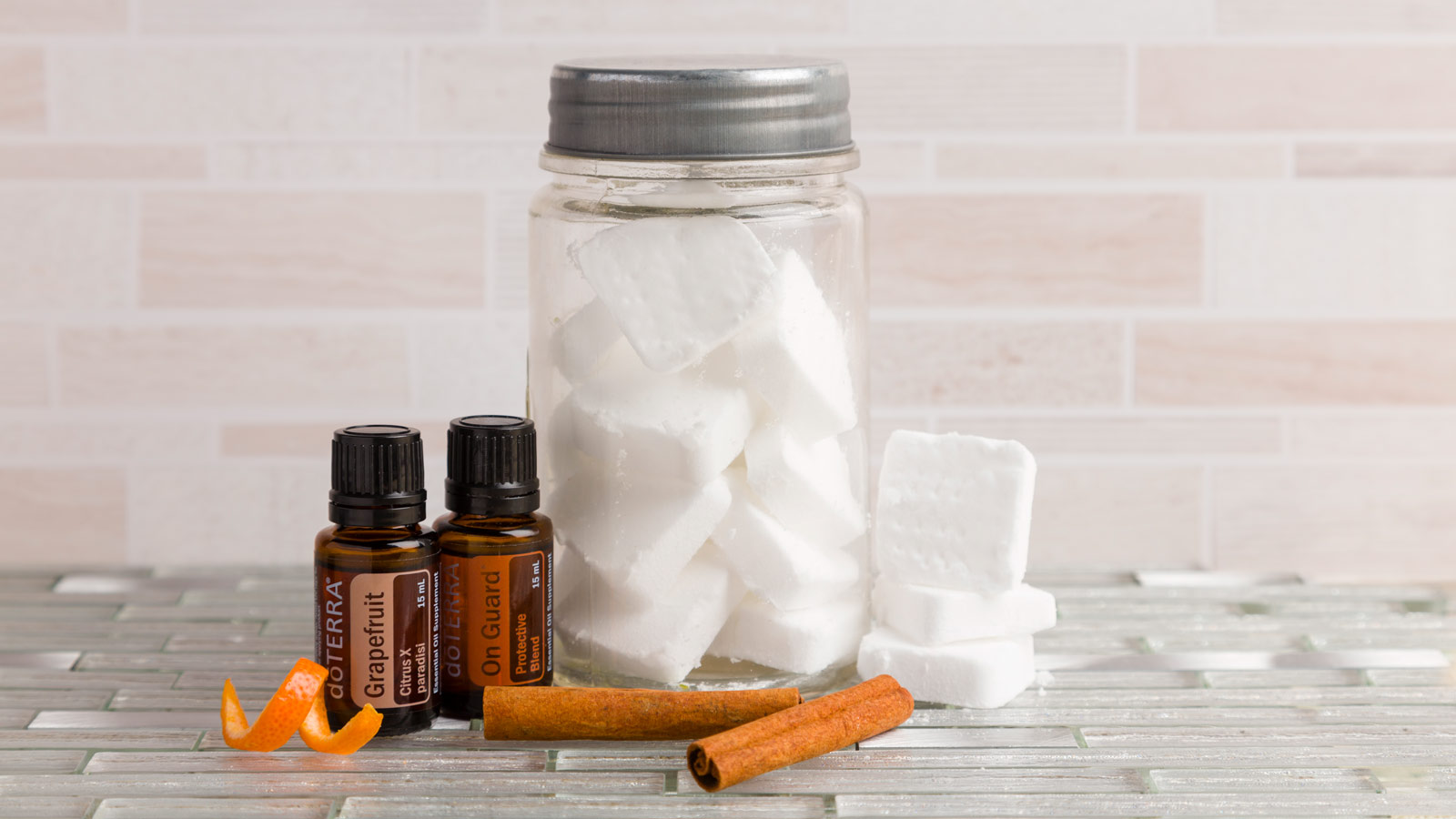
If you’ve ever stared at the back of a store-bought detergent box and thought, “What on earth is sodium tripolyphosphate?” — well, you’re certainly not alone. More and more households are turning to homemade dishwasher detergent as a smart, budget-friendly, and eco-conscious alternative to commercial products. And honestly? It works brilliantly.
Whether you’re a seasoned DIY enthusiast or a curious beginner just dipping your toes into natural home care, this guide is your one-stop destination. We’re going to walk through everything — the ingredients, the recipes, the science behind it, the pros and cons, and even some handy troubleshooting tips. So roll up your sleeves, because clean dishes are just around the corner!
Why More Families Are Choosing Homemade Dishwasher Detergent
Let’s cut to the chase — commercial dishwasher detergents are loaded with synthetic chemicals, artificial fragrances, and phosphates that can be harsh on your skin, your dishes, and the environment. The good news? You don’t have to put up with any of that.
There’s been a genuine shift in how families think about household products. People want to know exactly what’s going into their cleaning supplies, especially when those products touch the plates and cups their children eat and drink from every single day. That’s a completely reasonable concern, and it’s driving the growing popularity of homemade dishwasher detergent.
Here’s why the switch makes sense:
- Cost savings — Homemade recipes use common pantry staples that cost a fraction of commercial brands.
- Fewer toxins — Natural ingredients mean no chlorine, no artificial dyes, and no mystery chemicals.
- Eco-friendly — Less plastic packaging, biodegradable ingredients, and a smaller carbon footprint.
- Customizable — You can adjust the formula to suit your water type, dish material, or personal preferences.
- Transparency — You know every single ingredient in your detergent. Full stop.
Understanding the Key Ingredients in Natural Dishwasher Detergent
Before diving into actual recipes, it’s worth understanding why each ingredient earns its place in your homemade mix. Think of it like baking — knowing what each element does helps you troubleshoot and improve your results.
Washing Soda (Sodium Carbonate)
Washing soda is the heavy lifter of the bunch. It’s highly alkaline, which means it cuts through grease like a knife through butter. It also softens water, which is incredibly helpful if you live in a hard-water area. Don’t confuse it with baking soda — they’re cousins, not twins. Washing soda is stronger and more abrasive.
Baking Soda (Sodium Bicarbonate)
Baking soda is the gentle, all-purpose workhorse. It deodorizes, mildly scrubs, and helps remove light food residues without scratching delicate dishware. It also balances the pH of your mix to make it safer for coated or sensitive surfaces.
Citric Acid
Ah, citric acid — nature’s own rinse aid! Derived from citrus fruits, this ingredient fights hard water deposits, prevents spotting, and leaves glasses sparkling. It’s the secret weapon that makes your glasses look like they just came out of a professional kitchen.
Salt (Coarse or Kosher)
Plain salt acts as a water softener and mild abrasive. In some DIY recipes, it helps prevent mineral build-up inside the dishwasher itself, which extends the life of your appliance. Now that’s a two-for-one deal!
Castile Soap (Optional)
Castile soap, especially the liquid variety, adds a touch of surfactant action to help lift oils and food particles. However, be careful — too much can cause excess sudsing, which is a no-go in dishwashers. A few drops goes a long way.
Essential Oils (Optional)
Lemon, tea tree, or lavender essential oils add a pleasant scent and offer mild antibacterial properties. They’re entirely optional, but they do give your dishes a clean, fresh smell that’s rather lovely.
The Most Effective Homemade Dishwasher Detergent Recipes
Now we’re getting to the good stuff! Here are three tried-and-tested recipes for homemade dishwasher detergent that cater to different needs and preferences.
Basic Powder Recipe (Beginner-Friendly)
This is the simplest and most popular version. It’s quick to make and works well for most households.
Ingredients:
- 1 cup washing soda
- 1 cup baking soda
- ½ cup citric acid
- ½ cup coarse salt
Instructions:
- Combine all ingredients in a large bowl and mix well.
- Break up any clumps with a fork or whisk.
- Store in an airtight glass jar away from moisture.
- Use 1–2 tablespoons per wash cycle.
Heavy-Duty Grease-Fighting Recipe
Got a family of big eaters? Casserole dishes, baking trays, and pots with baked-on food need a little extra muscle. This formula delivers.
Ingredients:
- 1 cup washing soda
- ½ cup baking soda
- ½ cup citric acid
- ¼ cup coarse salt
- 15 drops lemon essential oil
- 10 drops tea tree essential oil
Instructions:
- Mix dry ingredients thoroughly.
- Add essential oils and mix again until evenly distributed.
- Store in an airtight container.
- Use 2 tablespoons per load for heavily soiled dishes.
Liquid Homemade Dishwasher Detergent
If powder isn’t your thing, this liquid version works beautifully and dissolves quickly.
Ingredients:
- 1 cup water
- ¼ cup liquid castile soap
- 1 tablespoon washing soda
- 1 tablespoon citric acid
- 10 drops lemon essential oil
Instructions:
- Dissolve washing soda and citric acid in warm water separately, then combine.
- Add castile soap slowly (to avoid sudsing) and stir gently.
- Add essential oil and transfer to a squeeze bottle.
- Use 2 tablespoons per cycle.
Comparing Homemade vs. Commercial Dishwasher Detergent
Here’s a side-by-side comparison to help you see the full picture:
| Feature | Homemade Dishwasher Detergent | Commercial Detergent |
| Cost per load | $0.05–$0.15 | $0.20–$0.50 |
| Chemical content | Natural, known ingredients | Often includes phosphates, chlorine |
| Environmental impact | Low — biodegradable | Moderate to high |
| Effectiveness | Very good with the right formula | Excellent, especially on tough stains |
| Customizability | Fully customizable | Limited |
| Scent options | Natural essential oils | Artificial fragrances |
| Skin sensitivity | Gentle, hypoallergenic options available | May cause irritation for sensitive skin |
| Shelf life | 6–12 months (powder) | 1–2 years |
| Packaging waste | Minimal — reusable containers | Significant plastic waste |
As you can see, homemade dishwasher detergent holds its own impressively well in most categories. It may not be perfect for every situation, but for the average household, it’s a brilliant choice.
How to Use Homemade Dishwasher Detergent Correctly
Making the detergent is only half the story — using it properly is just as important. Here are some tips to get the best results every time.
Loading the detergent:
- Place your powder or liquid in the main detergent compartment of your dishwasher.
- For heavily soiled loads, add a tablespoon to the pre-wash compartment as well.
- Don’t overfill — more isn’t always better!
Using a rinse aid:
- White vinegar works wonderfully as a natural rinse aid. Just fill the rinse aid compartment with plain white vinegar. It prevents spotting and leaves glasses crystal clear.
- Alternatively, citric acid mixed with water (1 tablespoon per cup) works as a rinse aid solution.
Water temperature:
- Run your dishwasher on a warm or hot cycle for the best cleaning results. Natural detergents activate better at higher temperatures.
Pre-rinsing dishes:
- Unlike commercial detergents loaded with enzymes, homemade versions work best when you scrape off large food particles beforehand. A quick rinse goes a long way.
Tips for Hard Water Areas
Living with hard water is a genuine challenge, and it can leave cloudy residue on dishes even with the best detergent. If your tap water has high mineral content, don’t despair — here’s how to tackle it head-on.
- Increase citric acid in your recipe. It’s a natural chelating agent that binds to minerals and removes them.
- Add extra coarse salt to boost water-softening action.
- Use white vinegar as a rinse aid religiously — it dissolves mineral deposits brilliantly.
- Run a monthly dishwasher cleaning cycle using citric acid alone (about ½ cup in the bottom of the machine) to descale the interior.
- Consider a water softener for your home if the problem is severe. This will improve results across the board.
Common Mistakes to Avoid When Making Homemade Dishwasher Detergent
Even the most enthusiastic DIYers run into a few hiccups at first. Here are the most common pitfalls — and how to sidestep them gracefully.
Using too much castile soap: This is probably the number one mistake. Even a small excess of liquid soap causes massive foam build-up inside the dishwasher, which can overflow and damage the appliance. Keep it to just a few drops or skip it altogether.
Storing improperly: Moisture is the enemy of powder detergents. If your mix gets damp, it clumps into a solid brick. Always store in a completely airtight container and keep it away from steam (so not right next to the dishwasher itself!).
Not scraping dishes beforehand: Natural detergents don’t have the heavy enzyme content of commercial brands.
Using on delicate items without testing first: Washing soda is quite alkaline and can be harsh on delicate china, hand-painted dishware, or items with gold accents. Test on a small area first or handwash those precious pieces.
Expecting identical results instantly: Switching detergents takes a little adjustment period.
Safety Considerations and Storage Guidelines
Safety first — always! While the ingredients in homemade dishwasher detergent are far gentler than commercial products, they’re not entirely without caution.
- Washing soda is irritating to skin and eyes — wear gloves when handling it in large quantities and avoid touching your face.
- Citric acid can cause mild irritation if it gets into eyes — rinse thoroughly if this happens.
- Keep all ingredients stored out of reach of children and pets.
- Label your containers clearly so nobody mistakes your detergent powder for baking soda (which looks identical!).
- Do not mix citric acid and washing soda directly without other buffering ingredients — they can react and reduce each other’s effectiveness if stored wet.
- Properly sealed powder detergent lasts up to 12 months. Liquid versions should be used within 2–4 weeks.
Environmental and Health Benefits of Going Natural
Let’s zoom out for a moment and look at the bigger picture. Switching to homemade dishwasher detergent isn’t just a personal decision — it’s actually a meaningful contribution to a healthier planet.
For your health:
- No exposure to chlorine bleach, which can off-gas and cause respiratory irritation.
- No synthetic fragrances, which are a common trigger for allergies and headaches.
- No hormone-disrupting chemicals found in some commercial detergents.
- Safer for households with babies, toddlers, and people with sensitive skin conditions like eczema.
For the environment:
- Biodegradable ingredients break down naturally without harming aquatic ecosystems.
- Significantly reduced plastic packaging waste over time.
- No phosphates, which contribute to algal blooms in lakes and rivers.
- Lower carbon footprint, especially when sourcing ingredients locally.
Wellbeing experts and environmental scientists alike agree — the less synthetic chemistry we push down our drains, the better it is for the waterways that support our entire ecosystem. It’s a small change with a genuinely big ripple effect.
Adjusting the Recipe for Your Specific Needs
One of the most underrated advantages of making your own homemade dishwasher detergent is the freedom to customize it. Here’s a handy cheat sheet:
| Situation | Adjustment |
| Hard water | Increase citric acid by 25%; add extra salt |
| Very greasy loads | Add lemon essential oil; use 2 tbsp per cycle |
| Sensitive skin | Omit essential oils; reduce washing soda slightly |
| Delicate glassware | Reduce washing soda; increase baking soda |
| Odor issues | Add 10 drops tea tree oil |
| Cloudy dishes | Use white vinegar as rinse aid; increase citric acid |
| Eco-maximalist | Source all ingredients from bulk bins; use zero-waste containers |
Conclusion
Well, there you have it — everything you need to know about making, using, and perfecting your very own homemade dishwasher detergent. It’s not just a quirky DIY project; it’s a genuinely practical, health-conscious, and environmentally responsible choice for modern households. From the basic powder recipe to the heavy-duty grease-fighter, there’s a formula here for every kitchen and every lifestyle.
The truth is, clean dishes don’t require a cocktail of synthetic chemicals. With a handful of simple, affordable, and natural ingredients, you can achieve sparkling results while protecting your family’s health and doing a small but meaningful favor for the planet. Once you make the switch to homemade dishwasher detergent, chances are you’ll never look back at those commercial boxes again.
Start with the basic recipe, tweak it to your water conditions, and remember: every great clean starts with knowing exactly what’s in your detergent. Happy washing!
FAQs
Does homemade dishwasher detergent actually clean as well as store-bought?
For most everyday loads — yes, absolutely! Homemade formulas using washing soda, baking soda, and citric acid clean effectively and leave dishes spotless.
Can I use homemade dishwasher detergent in all dishwasher models?
Yes, in virtually all standard dishwashers. The powder and liquid formulas work across brands and models. Just make sure you’re not using too much liquid castile soap, which can cause over-sudsing regardless of the machine type.
How long does homemade dishwasher detergent last before it goes bad?
Powder detergent stored in an airtight container away from moisture lasts up to 12 months. Liquid versions have a shorter shelf life of 2–4 weeks and should be made in small batches for best results.
Will homemade dishwasher detergent damage my dishes or dishwasher?
When made correctly, it’s actually gentler on both dishes and the machine than many commercial products. However, be cautious with delicate items like hand-painted china or gold-trimmed dishware, which can be sensitive to alkaline washing soda.
What can I use as a natural rinse aid with homemade dishwasher detergent?
Plain white vinegar is the most popular and effective natural rinse aid. Simply fill your dishwasher’s rinse aid compartment with it.





Leave a Reply