

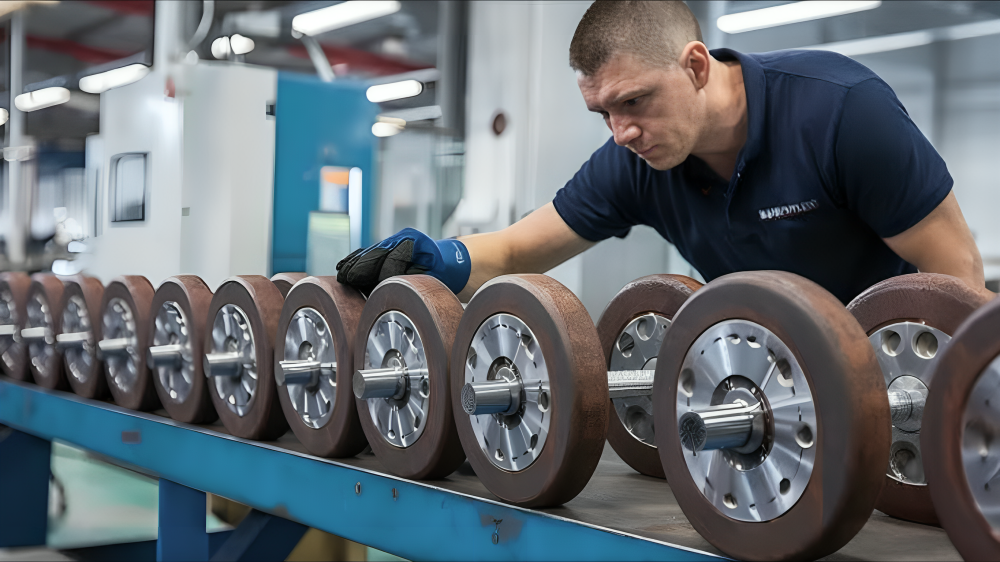
Factory weights are precision-engineered tools manufactured in specialized facilities to deliver consistent accuracy and durability across countless applications. From industrial calibration to everyday fitness routines, these weights ensure reliable measurements and safe performance. Produced under strict quality controls, meet international standards that guarantee repeatability in high-stakes environments. Whether balancing heavy machinery or loading a barbell, they form the unseen backbone of modern operations. Understanding opens the door to appreciating how everyday accuracy depends on carefully controlled manufacturing processes.
The History and Evolution of Factory Weights
Factory weights trace their roots to ancient civilizations that first standardized measurement for trade and construction. Over centuries, the shift from hand-forged stones to machine-produced metal units marked a turning point in reliability. By the industrial revolution, dedicated factories began mass-producing calibrated sets that replaced inconsistent local weights. Today’s incorporate advanced alloys and computer-guided testing to achieve tolerances once unimaginable. This evolution reflects humanity’s ongoing quest for precision in an increasingly technical world.
Types of Factory Weights Available Today
Factory weights come in diverse forms to suit specific demands. Cast-iron plates offer affordability and ruggedness for gyms and workshops, while stainless-steel versions resist corrosion in medical and food-processing settings. Calibration sets provide traceable accuracy for laboratory scales, and bumper plates absorb impact during Olympic lifts. Specialty options include adjustable dumbbells and counterweights for automated machinery. Each type undergoes rigorous factory testing to ensure it performs exactly as labeled. Selecting the right category depends on load requirements, environment, and frequency of use.
The Manufacturing Process Behind Factory Weights
Creating factory weights begins with high-grade raw materials poured into precision molds during the casting stage. Once cooled, pieces move to CNC machining for exact dimensions and surface finishing. Heat treatment follows to enhance strength and prevent warping under stress. Every batch then receives individual calibration on certified scales before final inspection and stamping. Automated quality checks eliminate human error, while traceability records link each weight to its production run. This meticulous sequence guarantees that every factory weight leaving the line meets or exceeds global accuracy standards.
The Critical Role of Factory Weights in Quality Control
Factory weights serve as the reference standard that keeps entire production lines honest. In manufacturing plants they verify scale accuracy multiple times daily, preventing costly over- or under-filling of products. Pharmaceutical companies rely on them to dose active ingredients precisely, while food processors use them to maintain portion consistency. Without dependable, regulatory compliance becomes impossible and consumer safety suffers. Their presence in quality-assurance protocols reduces waste, protects brand reputation, and supports fair trade practices worldwide. Regular verification against these weights keeps measurement systems trustworthy.
Applications of Factory Weights Across Industries
Beyond factories and gyms, factory weights appear in surprising places. Aviation technicians balance aircraft components with them, while logistics hubs calibrate freight scales for accurate shipping charges. Hospitals depend on for precise medical equipment calibration, and research laboratories use them to validate analytical balances. Even consumer electronics assembly lines employ miniature to ensure consistent part placement. This versatility demonstrates how a single engineered product supports safety, efficiency, and innovation across sectors. Proper application maximizes both performance and longevity.
Choosing and Maintaining Factory Weights for Long-Term Performance
Selecting factory weights requires matching capacity, material, and certification to the intended task. Buyers should verify traceability to national standards and inspect surface finish for any defects. Storage matters: keep weights on racks away from moisture and corrosive chemicals. Routine cleaning with non-abrasive cloths prevents buildup that could affect accuracy. Periodic recalibration by accredited technicians extends service life and maintains compliance. Investing in protective cases for transport further safeguards precision. When chosen and cared for correctly,deliver decades of dependable service.
FAQs
What exactly are factory weights and why do they matter?
Factory weights are professionally manufactured masses designed for accurate measurement and balancing tasks. They undergo strict production controls to ensure every unit matches its labeled value within tight tolerances. Their importance stems from the need for consistency in industries where even small deviations can lead to safety issues or financial losses. From fitness centers to production floors, provide the reliable benchmark that keeps operations running smoothly and safely.
How do factory weights differ from ordinary household weights?
Unlike casual weights found in home toolkits, factory weights are produced under certified conditions with documented accuracy. They carry traceable calibration certificates and are tested against national standards. Materials and finishing processes also set them apart, offering greater durability and resistance to wear. Ordinary weights lack these assurances, making them unsuitable for professional or legal applications. Choosing guarantees performance you can trust when precision counts.
In which industries are factory weights most commonly used?
Factory weights appear throughout manufacturing, healthcare, logistics, fitness, and research environments. Production facilities use them daily for scale verification, while gyms rely on them for safe strength training. Aviation, pharmaceuticals, and food processing also depend heavily on their accuracy. Their broad adoption highlights how one standardized product supports quality, safety, and efficiency in vastly different settings. Proper selection ensures optimal results regardless of the sector.
How should factory weights be stored and maintained?
Store in dry, temperature-stable areas away from corrosive substances and heavy traffic. Use dedicated racks or cases to prevent accidental drops that could chip edges or alter mass. Clean them regularly with mild detergent and soft cloths, avoiding abrasive materials. Schedule professional recalibration according to usage frequency and manufacturer guidelines. Following these simple steps preserves accuracy and extends the useful life of your significantly.
Are factory weights worth the investment for home gyms?
Yes, deliver superior consistency and longevity compared to unbranded alternatives. Their precise calibration supports progressive overload without guesswork, while durable construction withstands years of regular use. Although the initial cost may appear higher, the reduced risk of equipment failure and maintained accuracy make them a smart long-term choice. Serious fitness enthusiasts and commercial facilities alike benefit from the reliability provide.
Conclusion
Factory weights represent far more than simple metal objects; they embody centuries of engineering progress dedicated to measurement accuracy. Their careful production, diverse types, and widespread applications demonstrate their indispensable role in modern life. By understanding their history, manufacturing standards, and proper use, readers gain insight into an often-overlooked foundation of industry and fitness. Whether calibrating sensitive instruments or building strength in a home gym, quality factory weights deliver dependable results that support safety, efficiency, and performance. Investing in proper ensures precision today and reliability for years to come.










Leave a Reply