

In the tapestry of human history, the oracle has long served as a bridge between the mortal realm and divine insight. The oracle embodied the quest for guidance in an uncertain world, where kings, warriors, and ordinary citizens turned to sacred voices for clarity. Rooted in ancient traditions, particularly Greek mythology, the oracle offered prophecies that shaped empires and personal destinies alike. This enduring symbol of foresight continues to captivate modern minds, blending spirituality with the timeless human desire to peek into the future. By exploring the oracle’s legacy, we uncover how these mystical figures influenced cultures and still echo in today’s narratives of knowledge and prediction.
The Historical Roots of the Oracle
The oracle emerged in early civilizations as a vital institution for seeking supernatural counsel. Across Mesopotamia, Egypt, and the Mediterranean, communities established sacred sites where priests or priestesses interpreted signs from the gods. These oracles were not mere fortune-tellers but respected authorities whose words carried political and religious weight. Rituals, offerings, and trance-like states formed the foundation of their practice, ensuring messages appeared authentic and divinely inspired. The oracle thus played a central role in decision-making, from military campaigns to agricultural planning, reflecting humanity’s deep reliance on higher powers for survival and prosperity.
The Oracle of Delphi: Center of the Ancient World
At the heart of Greek civilization stood the Oracle of Delphi, widely regarded as the most authoritative of its kind. Perched on Mount Parnassus and dedicated to Apollo, this sanctuary attracted pilgrims from across the known world. The site’s strategic location and reputed accuracy elevated it to a pan-Hellenic status, where even rival city-states sought harmony through its verdicts. Temples, treasuries, and monuments adorned the complex, underscoring its immense cultural and economic importance. The oracle of Delphi symbolized neutrality and wisdom, influencing everything from colonization efforts to alliances in times of war.
The Role of the Pythia in Delphic Prophecies
The Pythia, the high priestess of Delphi, served as the living voice of the oracle. Chosen for purity and entering a trance induced by vapors from a sacred chasm, she delivered enigmatic pronouncements in verse. Priests then interpreted these utterances for consultants, adding layers of ambiguity that allowed multiple meanings. This process ensured the oracle’s responses remained flexible yet profound, often revealing truth only in hindsight. The Pythia’s unique position highlighted gender dynamics in ancient religion, granting women rare authority in a male-dominated society. Her sessions exemplified the delicate balance between divine mystery and human interpretation.
Notable Consultations and Their Historical Impact
Famous figures consulted the oracle with outcomes that altered history’s course. King Croesus of Lydia received a prophecy about attacking Persia that led to his empire’s fall, teaching the perils of misinterpretation. Alexander the Great sought validation at Delphi before his conquests, boosting his legendary status. Even Roman emperors later revered the site, blending Greek traditions with their own ambitions. These consultations demonstrate how the oracle functioned as both a political tool and a moral compass. Its influence extended far beyond religion, embedding itself in the fabric of Western historical development.
Oracles Across Different Cultures and Eras
While Delphi remains iconic, the oracle concept thrived in diverse cultures worldwide. In ancient Rome, the Sibylline Books offered prophetic guidance during crises, consulted by the Senate itself. Egyptian oracles involved divine statues that moved to signal approval, while Norse traditions featured seers known as volvas. Even in Asia and Africa, similar figures interpreted dreams or natural omens for tribal leaders. This universality reveals a shared human impulse to connect with the unseen. Each tradition adapted the oracle to local beliefs, enriching global heritage with varied methods of divination and spiritual insight.
The Decline and Fall of Traditional Oracles
By the fourth century CE, the oracle faced suppression as Christianity spread across the Roman Empire. Emperor Theodosius I officially closed pagan temples, including Delphi, in 393 CE, marking the end of an era. Shifting societal values, scientific inquiry, and political changes diminished reliance on mystical sources. Yet the decline was gradual, with some oracles persisting in secret or evolving into folk practices. This transition reflected broader transformations from polytheism to monotheism and from superstition to rational thought. The oracle’s fading did not erase its cultural memory but transformed it into legend.
The Oracle in Modern Times: From Myth to Media and Technology
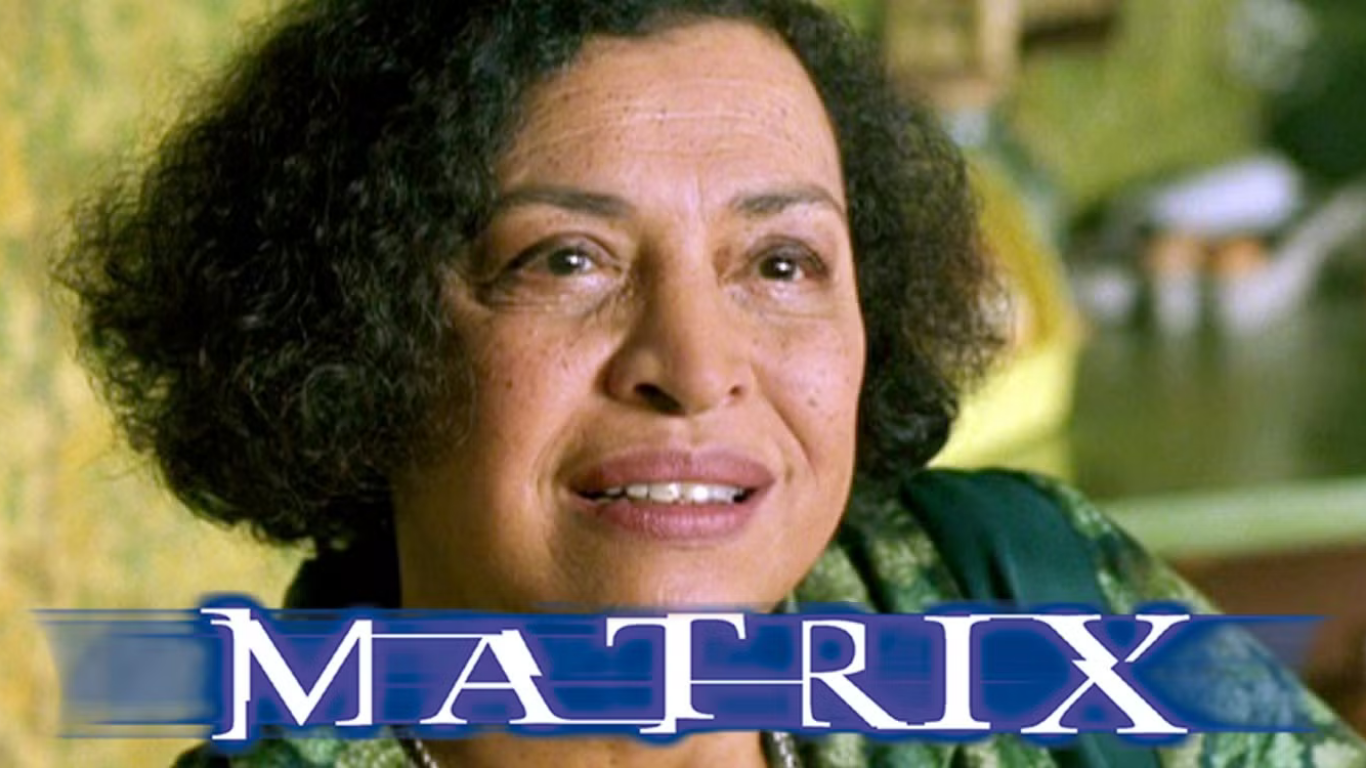
Today, the oracle lives on in literature, film, and even technology. Characters like the Oracle in The Matrix franchise echo ancient archetypes, dispensing cryptic wisdom to guide protagonists. In computing, the term “oracle” denotes reliable data sources or predictive algorithms, drawing parallels to prophetic foresight. Modern tarot readers and astrologers continue the tradition in personalized forms. These adaptations keep the essence of the oracle alive, adapting ancient mystery to contemporary quests for answers. Its legacy reminds us that the search for guidance evolves but never truly ends.
FAQs
What is the oracle in historical context?
The oracle refers to sacred figures or sites in ancient societies where divine messages were conveyed to humans. In Greece, it most famously meant the Pythia at Delphi, who channeled Apollo’s will through trance-induced prophecies. These institutions provided counsel on personal, political, and military matters, blending religion with practical decision-making.
How did the Oracle of Delphi actually work?
Consultants posed questions after offerings and purification rites. The Pythia entered a trance, uttering ambiguous verses that priests translated into coherent advice. Vapors from a geological fissure were believed to induce her state, though the exact mechanism remains debated by historians. Responses often required careful interpretation to avoid misunderstanding.
Why did traditional oracles lose influence over time?
The rise of Christianity and imperial edicts closed pagan sites by the late fourth century. Growing emphasis on rational philosophy and monotheistic faiths reduced faith in polytheistic prophecy. Cultural shifts toward empirical knowledge further marginalized these practices, though their symbolic power endured in stories and art.
How has the concept of the oracle shaped popular culture?
From ancient myths to modern blockbusters like The Matrix, the oracle archetype offers mysterious guidance that drives narratives. Books, games, and films portray oracles as enigmatic mentors, preserving the theme of hidden wisdom. This influence highlights humanity’s ongoing fascination with foresight and destiny.
Is there a modern equivalent to ancient oracles?
Yes, in technology and self-help fields. Data analytics platforms act as “oracles” by predicting trends, while spiritual advisors offer personalized insights. These echo the original role of providing clarity amid uncertainty, though grounded in science or psychology rather than divine intervention.
Conclusion
The oracle represents humanity’s timeless pursuit of wisdom beyond everyday understanding. From its ancient roots in Delphi and other cultures to its modern reflections in media and technology, the oracle has shaped decisions, inspired legends, and sparked curiosity across millennia. Its prophecies influenced empires while its decline mirrored societal evolution toward reason. Today, the oracle endures as a metaphor for insight and guidance, reminding us that questions about the future remain central to the human experience. By appreciating this rich heritage, we better understand our enduring desire to connect with forces greater than ourselves and navigate life’s uncertainties with hope and reflection















Leave a Reply